Click Here To Download The Brochure
Course Agenda
The Drug Development Process from Concept to Market
Day 1: Drug Discovery, Preclinical Development & Regulatory Foundations
Understand how a drug candidate progresses from discovery to clinical development.
Session 1: Drug Development Landscape (2026 Perspective)
- End-to-end drug development lifecycle
- Small molecules, biologics, biosimilars, gene & cell therapies
- Routes of administration and formulation considerations
- Emerging trends: AI-driven drug discovery, precision medicine & digital health
Session 2: Drug Discovery & Preclinical Development
- Target identification and validation
- Hit identification, lead optimization and candidate selection
- In vitro and in vivo studies
- ADME (Absorption, Distribution, Metabolism & Excretion)
- Toxicology studies and bioavailability
Session 3: CMC & Pharmaceutical Development
- Chemistry, Manufacturing & Controls (CMC)
- API and formulation development
- Dosage forms and drug delivery systems
- Stability studies
- Scale-up and technology transfer
Session 4: Regulatory Strategy & IND Submission
- FDA, EMA and global regulatory agencies
- Investigational New Drug (IND) application
- CTD/eCTD overview
- Expedited regulatory pathways (Fast Track, Breakthrough Therapy, Accelerated Approval)
Day 2: Clinical Development, GCP & Digital Clinical Trials
Learn how drugs are evaluated for safety, efficacy and regulatory compliance.
Session 1: Clinical Trial Development
- Clinical trial phases (Phase I-IV)
- Study design and protocol development
- Clinical endpoints
- Patient recruitment and retention
- Adaptive clinical trials
Session 2: Good Clinical Practice (ICH E6(R3))
- GCP principles
- Sponsor, CRO and investigator responsibilities
- Clinical quality management
- Inspection readiness
- Data integrity in clinical research
Session 3: Digital Transformation in Clinical Research
- Decentralized Clinical Trials (DCT)
- Electronic Data Capture (EDC)
- Remote monitoring
- AI in clinical development
- Wearables and Real-World Data (RWD)
Session 4: Clinical Safety & Pharmacovigilance
- Adverse event reporting
- Serious adverse events (SAEs)
- Signal detection
- Benefit-risk assessment
- Risk management during clinical development
Day 3: Regulatory Approval, Commercialization & Lifecycle Management
Successfully bring pharmaceutical products to market and maintain regulatory compliance.
Session 1: Marketing Authorization & Regulatory Approval
- NDA and BLA submissions
- FDA and EMA review process
- Regulatory approval timelines
- Advisory committee meetings
Session 2: Commercial Manufacturing & GMP
- GMP requirements for commercialization
- Process validation
- Continued Process Verification (CPV)
- Technology transfer
- Supply chain readiness
Session 3: Post-Approval Changes & Lifecycle Management
- ICH Q8, Q9, Q10 and Q12 overview
- Quality by Design (QbD)
- Quality Risk Management
- Post-approval changes and variations
- Product lifecycle management
Session 4: Post-Marketing Surveillance & Future Trends
- Phase IV studies
- Global pharmacovigilance systems
- Risk Management Plans (RMPs)
- Product recalls and compliance
- AI and the future of pharmaceutical development
Learn Drug Development from Discovery to Commercialization
This comprehensive Drug Development Training Program provides a structured understanding of the entire drug development lifecycle—from drug discovery and preclinical research to clinical trials, regulatory approval, commercialization, and post-marketing surveillance.
Participants will gain practical insights into how pharmaceutical products are discovered, developed, tested, approved, and successfully brought to market, with a strong focus on FDA regulations, ICH guidelines, Good Clinical Practice (GCP), regulatory affairs, quality systems, and industry best practices.
Learn the essential scientific, regulatory, and commercial principles that drive successful pharmaceutical and biotechnology product development.
Learning Objective
By the end of this training, participants will be able to:
- Understand the drug discovery process, including target identification, lead optimization, and emerging technologies.
- Explain preclinical development, including ADME, toxicology studies, and candidate selection.
- Understand the design, execution, and regulatory requirements of Phase I–IV clinical trials.
- Navigate FDA, EMA, and global regulatory pathways, including IND, NDA, and BLA submissions.
- Differentiate between small molecule drugs, biologics, biosimilars, and advanced therapies.
- Apply key principles of Good Clinical Practice (GCP), data integrity, and regulatory compliance.
- Understand pharmacovigilance, post-marketing surveillance, and risk management.
- Learn the fundamentals of commercialization, lifecycle management, and pharmaceutical product success.
Who Should Attend
- Drug Discovery, Research & Development (R&D) Scientists
- Clinical Research and Medical Professionals
- Regulatory Affairs Professionals
- Quality Assurance (QA) and Quality Control (QC) Professionals
- CMC and Pharmaceutical Development Professionals
- Manufacturing and Production Personnel
- Pharmacovigilance and Drug Safety Professionals
- Project Managers and Auditors
- Biostatistics and Data Management Professionals
- Sales, Marketing, Brand and Commercial Teams
- New Employees and Non-Scientific Professionals seeking an understanding of the drug development process
- Anyone looking to build or enhance their knowledge of pharmaceutical drug development
Know Your Faculty
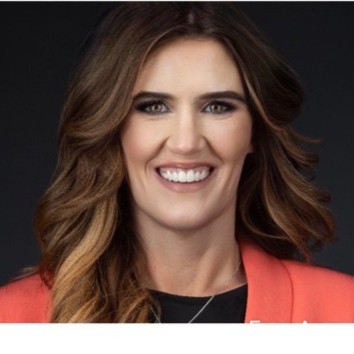
Kelly Thomas, Head Of Quality Assurance (USA)
Kelly Thomas is a seasoned Quality Assurance and Regulatory Compliance expert with over 20 years of experience in the pharmaceutical, biotechnology, API, and medical device industries. Her expertise includes FDA cGMP compliance, Quality Management Systems (QMS), process validation, technology transfer, supplier quality management, regulatory inspections, and global quality systems.
Kelly has successfully led FDA, EMA, Health Canada, ANVISA, and other international regulatory inspections, supporting API, biologics, sterile injectable, oral solid dosage (OSD), medical device, and combination product manufacturing. She is recognized for strengthening quality systems, driving inspection readiness, implementing Lean Six Sigma initiatives, and helping organizations achieve regulatory compliance while ensuring product quality and patient safety.